JAR CARE · OCTOBER 23, 2026
How long does an
opened jar
of honey last?
Opening the lid does not start a simple countdown. Clean, dry utensils and steady cupboard storage matter far more than the date of the first spoonful.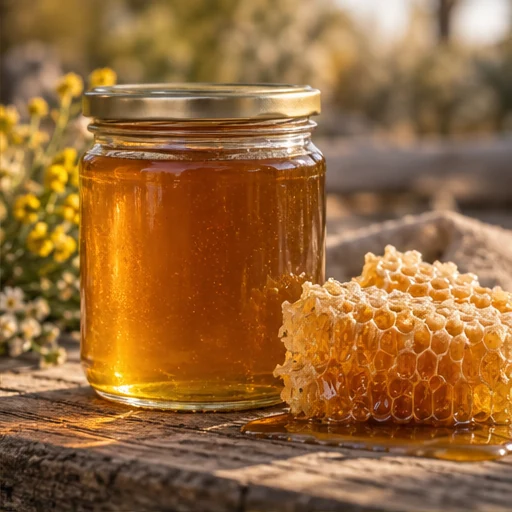
Plain honey is naturally resistant to many of the changes that spoil higher-moisture foods, so opening a sound jar does not create a short refrigerator-style deadline. But that does not make every opened jar invulnerable. The useful question is not only “When did I open it?” It is also “Did I keep it clean, dry, tightly closed, and away from prolonged heat?”
01 · THINK CONDITION, NOT JUST CALENDAR
An opened jar can stay enjoyable for a long time when it is handled well.
Honey's low available moisture and natural acidity help make it a remarkably stable pantry food. Each time the lid comes off, however, the jar is exposed to utensils, steam, crumbs, and the surrounding room. Those small handling choices determine whether the honey remains in good condition.
A best-by date is generally a quality guide, not a magic moment when plain honey suddenly becomes unusable. Color may deepen, aroma may soften, and crystals may form over time. Because recipes, added ingredients, packaging, and handling differ, follow any specific directions printed by the producer and evaluate the actual condition of the jar.
02 · BUILD A THREE-STEP HABIT
Use a clean dry utensil, wipe the rim, and close the lid.
Dip only a clean, completely dry spoon or honey wand into the jar. A wet utensil can introduce moisture; a spoon carrying butter, crumbs, yogurt, or another food can introduce material that does not share honey's natural stability. Pouring directly into a steaming cup can also send condensation toward the opening.
After serving, wipe sticky honey from the outside of the rim with a clean cloth and close the lid firmly. Store the jar upright so honey cannot sit against the seal. If the lid liner is damaged, the rim is chipped, or the container is cracked, move no questionable honey into a clean jar and assume the problem is solved—contact the seller or discard it when contamination is possible.
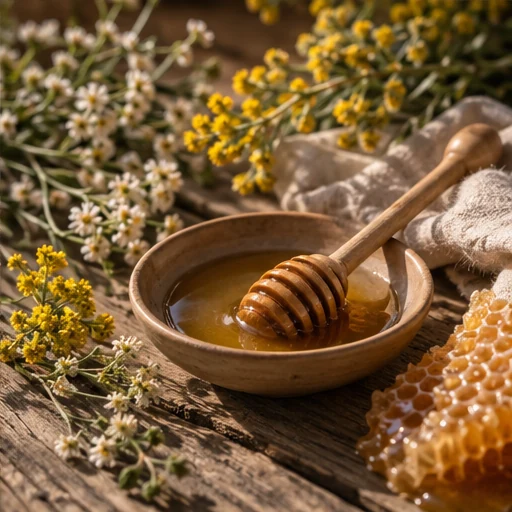
03 · A LAS VEGAS CUPBOARD STILL NEEDS CARE
Dry desert air does not cancel kitchen moisture or heat.
Las Vegas homes may feel dry, but a wet spoon, dishwasher steam, or condensation can still carry water into a jar. Choose a cupboard away from the stove, oven, dishwasher, and sunny window. A parked vehicle is not a storage space; bring a locally picked-up jar indoors promptly.
Refrigeration is usually unnecessary for plain honey and often speeds crystallization. A cool, dry, stable cupboard is simpler. Our Las Vegas honey storage guide explains the full routine, and our heat-and-transport guide covers the trip home.
04 · LEARN THE NORMAL CHANGES
Cloudiness and crystals are not automatic signs of spoilage.
Honey may turn cloudy, grainy, creamy, or firm as glucose forms crystals. The timing varies with floral source, temperature, and natural particles in the jar. That change can happen in a carefully handled jar and does not prove that water or sugar was added.
Enjoy crystallized honey as a spread or follow the gentle warm-water method if you prefer it flowing. A few still bubbles left from pouring are also different from active, continuing bubbling. Our guide to foam and bubbles in honey explains that distinction.
05 · KNOW WHEN TO STOP
Do not use tasting as a safety test.
Set the jar aside if you notice persistent new bubbling, expanding foam, pressure under the lid, leakage, a sour or alcoholic odor, visible mold, unknown liquid, broken glass, or foreign material. Those signs deserve more caution than ordinary crystals or gradual darkening. Do not taste a questionable jar simply to decide whether it is safe.
When you know the jar was left open, contacted a wet or dirty utensil, or was stored in a damaged container, replace uncertainty with a new jar. If you are unsure about a product-specific change, contact the seller with a photo and a description of how the honey was stored.
Choosing a size you will use comfortably is practical, too. Compare our regional honey collection, explore gift and discovery sets, read our sourcing standards and bee-stewardship science, browse the Honey Guide, or arrange local pickup. Desert Honey LV distributes honey sourced from regional independent beekeepers; we do not represent it as produced in Las Vegas.
#DesertHoneyLV · #LasVegasHoney · #HoneyCare · #RegionalHoney · #SouthwestLasVegas · #RhodesRanch · #KitchenGuide
“My son, eat thou honey, because it is good; and the honeycomb, which is sweet to thy taste:”Proverbs 24:13 · KJV