LAS VEGAS POLLINATORS · NOVEMBER 15, 2026
How do you give
bees water
in Las Vegas?
A shallow, clean dish with secure landing surfaces can help visiting pollinators. The useful part is not the decoration—it is careful placement and regular maintenance.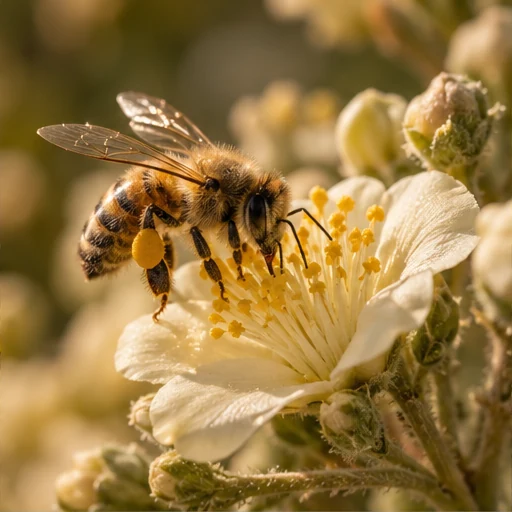
In a desert city, adding water sounds like an obvious way to help bees. The details matter. A deep, smooth bowl can trap small insects, while neglected standing water can collect debris and support mosquitoes. A responsible bee-water station is shallow, stable, easy to clean, and fitted with dry places where visitors can land before reaching the water.
01 · WHY WATER MATTERS
Pollinators need more than flowers.
Bees and other pollinators need water as well as food and shelter. Honey bee colonies use water for several purposes, and individual native pollinators also visit damp ground, irrigation edges, shallow dishes, and other accessible sources. In Las Vegas, a maintained water station can be one small part of a more complete pollinator garden.
That does not mean every backyard visitor belongs to a managed honey bee colony or contributed to a jar of honey. Desert Honey LV distributes honey sourced from regional beekeepers; we do not claim that our honey is produced in Las Vegas yards. A local water dish supports the insects that happen to visit your space, including native bees and other beneficial pollinators.
University of Nevada, Reno Extension notes that Nevada has more than 1,000 native bee species. Supporting that diversity starts with modest, habitat-minded choices rather than trying to attract the largest possible number of insects to one spot.
02 · BUILD A SAFE STATION
Use a shallow dish and exposed landing surfaces.
Choose a low plant saucer, shallow bowl, or similar stable container. Add clean stones or pebbles that cannot roll easily, then add water only until parts of those surfaces remain above the waterline. The exposed areas give bees a place to land and drink without floating or struggling against a smooth edge.
The USDA Natural Resources Conservation Service recommends a shallow dish, bowl, or birdbath with half-submerged stones for perches. Arizona Cooperative Extension likewise illustrates a shallow container with rocks and pebbles as a water source for bees. These are simple designs because simplicity makes the water level and cleanliness easy to see.
Avoid loose floating decorations, sharp material, chemical residues, or containers that once held non-food products. Do not sweeten the water with honey or sugar. Plain, clean water is the appropriate backyard offering; feeding mixtures can create sanitation, crowding, and pest problems.
03 · CHOOSE A LOCATION
Place it where people, pets, and pollinators can share the yard safely.
Set the dish on a level surface where it will not be kicked over, baked dry immediately, or contaminated by pets. A location with some protection from the strongest afternoon sun may slow evaporation, but it should remain visible enough that you remember to inspect it. Keep it away from doorways, children’s play areas, seating, and busy paths.
If bees repeatedly choose a neighbor’s pool, fountain, or pet bowl, a dependable water source on your own property may offer an alternative. Establishing the station before the hottest weather can help visitors learn the location, but no backyard setup guarantees where wild insects will forage or drink.
Consider the full site. A saucer beside pesticide-treated flowers is not a complete pollinator habitat. Place water near suitable blooms while leaving enough room to observe visitors without touching or disturbing them.
04 · KEEP IT CLEAN
Frequent care is what makes the station responsible.
Refresh the water often, remove fallen leaves and dead insects, and scrub away algae or film. In warm weather, inspect the dish daily. Do not simply top off old water indefinitely. If you cannot maintain the container, empty it, clean it, and put it away until you can.
USDA guidance recommends emptying a shallow pollinator dish every few days and allowing it to dry before refilling to avoid encouraging mosquitoes. Local conditions vary, so follow Southern Nevada Health District mosquito guidance if you see larvae or have a standing-water concern.
Watch how quickly the dish dries in your particular exposure. A tiny saucer in full sun may need attention sooner than a heavier vessel in filtered shade. Maintenance frequency should respond to heat, wind, debris, and use—not a decorative schedule.
05 · WHAT TO EXPECT
Visitors may be gradual, seasonal, or different from what you imagined.
A water station may attract honey bees, solitary native bees, butterflies, wasps, birds, or no visible visitors at all. That does not mean the setup has failed. Pollinator activity changes with temperature, flowering cycles, nearby habitat, and time of day.
Observe from a respectful distance. Do not handle insects, move a dish while it is active, or teach children to touch drinking bees. If a large number of bees creates a safety concern, empty the dish after activity has stopped and consult a qualified local beekeeper or pest professional rather than spraying the visitors.
People with a known severe sting allergy should make yard decisions with their medical professional and household safety needs in mind. This guide is about habitat design, not medical advice or swarm removal.
06 · SUPPORT THE WHOLE HABITAT
Water works best alongside flowers, shelter, and careful pesticide choices.
Pair a clean water source with plants suited to the Mojave climate and flowering periods that do not all begin and end at once. Our bee-friendly Las Vegas yard guide covers bloom timing, shelter, observation, and pesticide care; the seasonal-flower guide explains why each harvest reflects a particular landscape and moment.
For further reading, visit University of Nevada, Reno Extension’s pollinator resources and the USDA NRCS pollinator guidance. Both reinforce the value of accessible water and broader habitat care.
To understand how Desert Honey LV evaluates the honey we carry, read our sourcing standards and science and stewardship notes. You can also use the Honey Guide, compare the current regional honey collection, explore gift options, or arrange a public pickup near Rhodes Ranch.
#DesertHoneyLV · #LasVegasPollinators · #BeeFriendlyGarden · #NevadaBees · #MojaveGardening · #LasVegasHoney · #PollinatorWater