POLLINATOR GUIDE · OCTOBER 12, 2026
How can a
Las Vegas yard be
friendlier to bees?
A bee-friendly desert yard is not about planting everything. It is about offering a few dependable flowers, safer water, and thoughtful care across the seasons.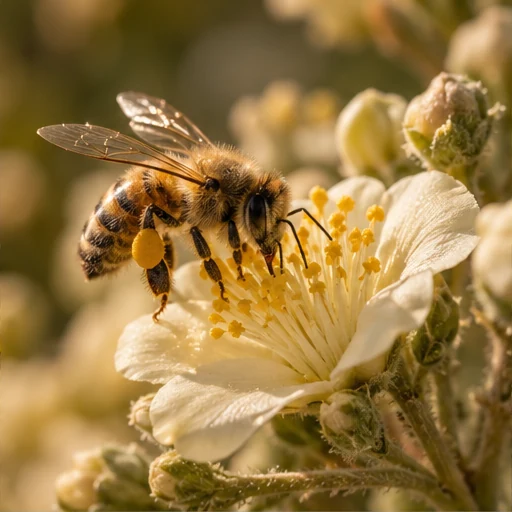
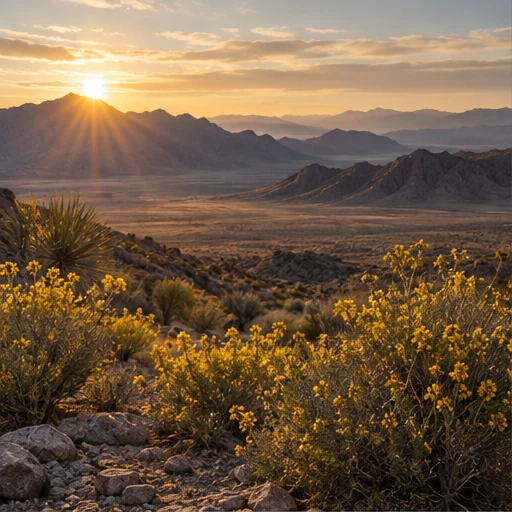
Las Vegas gardeners work with intense sun, dry air, limited rainfall, and real water-use concerns. Supporting bees does not require a lush lawn or an oversized flower bed. A small, well-planned container garden, patio grouping, or low-water planting can provide nectar and pollen while still respecting the Mojave climate.
01 · BUILD A SEASON, NOT A MOMENT
Choose several flowering periods.
A single spectacular bloom may feed visitors for a short window. A more useful garden offers something at different times of year. When selecting plants, ask a knowledgeable local nursery or Nevada horticulture resource when each choice flowers, how much sun it tolerates, and how much irrigation it actually needs.
Group a few plants of the same kind together when space allows. A visible patch can be easier for pollinators to find than isolated flowers scattered across a yard. Favor plants suited to the site instead of forcing shade-loving or high-water plants into full desert exposure.
02 · WATER WITHOUT A HAZARD
Keep it shallow, stable, and clean.
Bees need water, especially during hot weather, but a deep smooth bowl can become a drowning risk. Use a shallow dish with pebbles or other stable landing surfaces that rise above the water. Place it where it will not be kicked over and where pets cannot contaminate it.
Refresh the water regularly and clean the container so it does not become stagnant or support mosquitoes. A tiny water station is helpful only when it is maintained.
03 · PROTECT THE VISITORS
Avoid spraying open flowers.
Before using any pesticide, identify the problem and read the full label. Avoid routine spraying “just in case.” If treatment is necessary, follow the product directions exactly, avoid applying it to open blooms or active foraging bees, and use the least disruptive approach appropriate for the problem.
Never assume a product is harmless because it is marketed as natural. Application timing, concentration, drift, and contact with flowers all matter. When uncertain, consult a qualified local gardening or pest-management professional.
04 · ALLOW A LITTLE WILDNESS
Not every useful corner needs to look manicured.
Honey bees live in colonies, while many other bee species nest alone in soil, hollow stems, or small cavities. A tidy yard can still leave a few undisturbed, pesticide-free areas where appropriate. Avoid blocking walkways or creating hazards, and keep community or HOA requirements in mind.
Bee hotels are not automatically helpful: poorly designed or unclean structures can concentrate pests and disease. If you use one, choose a design that can be opened, inspected, and cleaned rather than a decorative bundle that stays outdoors indefinitely.
05 · WATCH, DO NOT DISTURB
Let pollinators work at their own pace.
Most flower visitors are focused on foraging. Give them space, teach children to observe without grabbing, and keep pets away from active patches. Do not handle a swarm or established colony yourself; contact a qualified local beekeeper or bee-removal professional when bees settle in an unsafe location.
Learn more on our science and humane-beekeeping page, explore how seasonal flowers shape honey, and review our sourcing standards. You can also compare the four regional honey landscapes, visit the Honey Guide, explore gift collections, or arrange pickup near Rhodes Ranch.
#LasVegasGardening · #VegasPollinators · #MojaveDesert · #BeeFriendlyGarden · #LasVegasHoney · #SouthwestLasVegas · #NevadaSmallBusiness
“The earth is the LORD'S, and the fulness thereof; the world, and they that dwell therein.”Psalm 24:1 · KJV