FLOWERS & FORAGE · OCTOBER 7, 2026
How do seasonal
flowers shape
regional honey?
Every jar begins with a changing landscape. Bloom timing, weather, elevation, and the plants within flying distance all help give a harvest its character.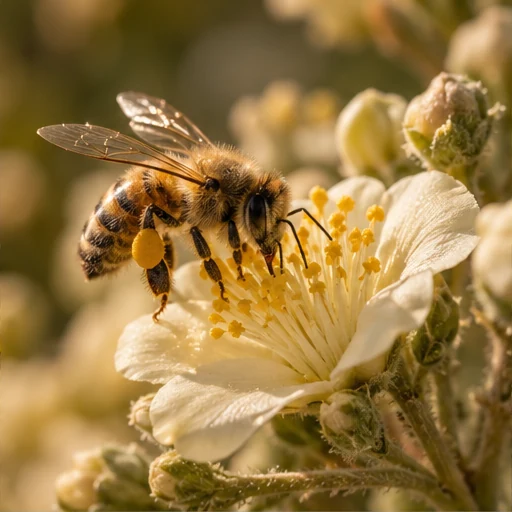
Customers often ask why two honest jars of honey can look and taste so different. Much of the answer is outside the hive. Bees gather nectar from whatever is blooming and reachable, so a regional harvest records a particular season rather than following a factory recipe.
01 · THE LANDSCAPE
Forage is the menu available to bees.
Beekeepers use the word forage for the nectar and pollen sources available to a colony. That menu may include native wildflowers, shrubs, trees, agricultural crops, garden plants, and roadside or riparian blooms. It changes with location, rainfall, temperature, and land use.
A hive does not need a single flower species to produce distinctive honey. Many harvests are multifloral: bees visit a community of plants whose blooms overlap. A floral description therefore tells you about the dominant landscape and season, not necessarily an exclusive ingredient list.
02 · TIMING MATTERS
A short bloom can define a harvest.
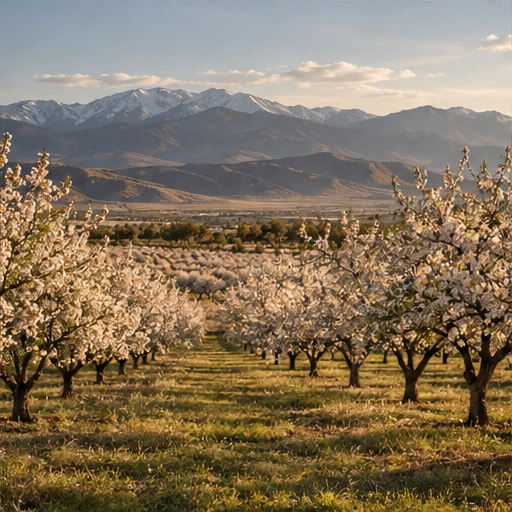
Orchard blossoms may open in a concentrated spring window. Rabbitbrush often blooms later in the season, while alfalfa fields follow agricultural growth and cutting cycles. Desert plants may respond dramatically to winter rain, spring temperatures, and brief periods of favorable moisture.
Wind, cold snaps, prolonged heat, or dry conditions can shorten the time flowers produce usable nectar. That is why the same region can yield honey with a different shade or aroma from one year to the next. Variation is not a defect; it is one sign that honey remains an agricultural food.
03 · THE FLOWER VISIT
Nectar collection and pollination happen together.
A bee visits flowers to collect nectar and pollen for the colony. As it moves among blossoms, grains of pollen can be transferred between flowers. That movement supports reproduction in many flowering plants and is especially visible in agricultural settings such as orchards.
Honey, however, is made from nectar—not pollen alone. Bees carry nectar back to the colony, where it is passed among workers, transformed by enzymes, and dehydrated before being stored and capped in comb. Our science page explains this process and why responsible hive care matters.
04 · FROM BLOOM TO SPOON
Flowers influence color, aroma, and flavor.
Nectars differ naturally in their sugars, minerals, aromatic compounds, and color. A bright orchard harvest may feel delicate or fruit-forward, while a desert or high-country blend may taste richer, herbal, grassy, or warmly floral. These are tasting impressions, not guarantees: weather and the full mix of forage can shift every crop.
Floral source also helps influence how quickly honey crystallizes. A jar that becomes cloudy or firm has not automatically spoiled. Read why honey color varies and our guide to softening crystallized honey gently for practical context.
05 · TASTE THE REGIONS
Choose by curiosity and intended use.
Desert Honey LV connects Las Vegas customers with honey sourced from independent regional beekeepers in Moapa Valley, Northern Sierra rabbitbrush and alfalfa country, Sacramento Valley orchards, and the Arizona–Nevada border region. We do not represent these jars as honey produced inside Las Vegas.
Compare two regions side by side if you want to notice differences more easily. Start with aroma, then taste a small spoonful at room temperature. For help choosing, visit the honey collection, our Honey Guide, and our sourcing standards. Current availability and Rhodes Ranch-area pickup are confirmed directly.
#LasVegasHoney · #RhodesRanch · #SouthwestLasVegas · #RegionalHoney · #HoneyBees · #SeasonalFlowers · #NevadaSmallBusiness
“To every thing there is a season, and a time to every purpose under the heaven.”Ecclesiastes 3:1 · KJV