LAS VEGAS TASTING GUIDE · OCTOBER 1, 2026
Why is one honey
light and
another dark?
Color is a tasting clue—not a quality score.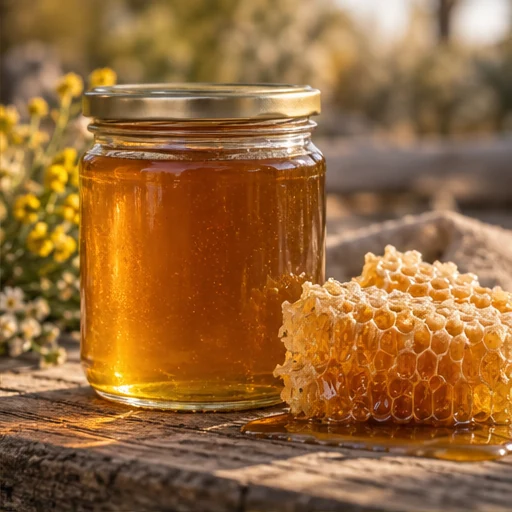
From pale straw to deep amber, honey carries the visual signature of a particular landscape and season. The color can guide your expectations, but it cannot rank one jar above another.
01 · FORAGE
Color begins with the flowers.
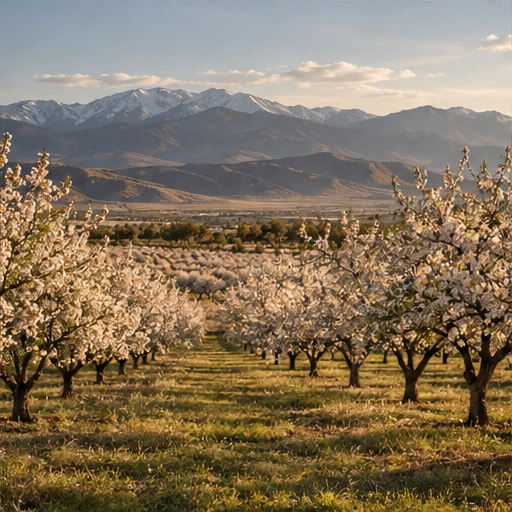
Honey starts as nectar gathered from flowering plants. Different nectars contain different natural pigments, sugars, minerals, aromas, and flavor compounds. When bees forage across an orchard, desert valley, agricultural field, or mountain landscape, the available bloom helps shape what eventually appears in the jar.
A regional honey may come from one dominant floral source or a changing mix of plants. Unless a harvest has been carefully identified as a particular varietal, it is more accurate to describe the landscape and likely forage than to promise one single flower.
02 · HARVEST
The same region can change from year to year.
Rainfall, heat, wind, elevation, bloom timing, colony location, and the date of harvest can all influence the finished honey. Two jars from the same general region may not look identical when they come from different seasons.
That variation is normal for an agricultural food. It is one reason we encourage customers to ask what is currently available instead of expecting every harvest to match a fixed supermarket color.
03 · QUALITY
Darker does not automatically mean better.
Color alone cannot tell you whether honey is raw, responsibly sourced, fresh, or suitable for your taste. Pale honey is not weak, and dark honey is not automatically more authentic. Both can be excellent.
More useful signs of trust are traceable regional origin, a seller who can explain the beekeeper relationship, honest handling information, and claims supported by documentation. See the Desert Honey LV sourcing standards for the questions we use.
04 · TASTE
Use color as an invitation to compare.
These are tasting expectations, not guarantees. Aroma and flavor are the real test. Try two regional honeys side by side and notice brightness, floral lift, richness, texture, and finish.
05 · LAS VEGAS
Choose for your table, not by a color ranking.
Our Las Vegas collection currently connects customers with Moapa Valley desert honey, Northern Sierra rabbitbrush and alfalfa country, Sacramento Valley orchard honey, and an Arizona–Nevada border harvest. Explore the four honey sources and Honey Finder to match a flavor profile to how you cook, gift, or enjoy honey.
Curious about the bees and landscapes behind the jar? Read our science and stewardship page. When you are ready, see the current prices or review the Rhodes Ranch-area pickup process.
“My son, eat thou honey, because it is good; and the honeycomb, which is sweet to thy taste.”Proverbs 24:13 · KJV