TASTING & GATHERING · OCTOBER 10, 2026
How do you host
a regional honey
tasting at home?
Four jars, clean spoons, water, and a little attention are enough to turn honey into a story of flowers and landscapes.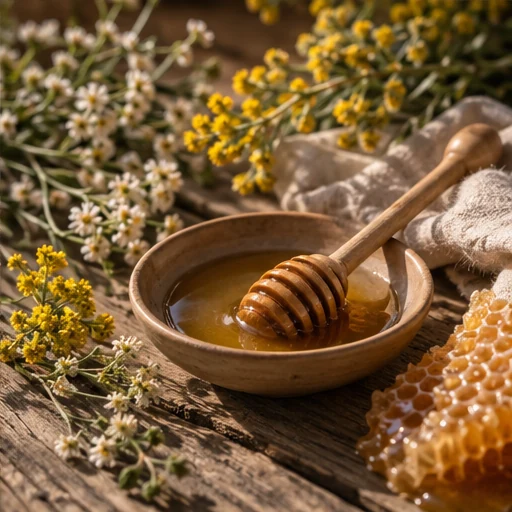
A honey tasting does not require expert vocabulary or special equipment. The goal is simply to compare a few regional harvests side by side and notice how color, aroma, texture, sweetness, and finish can change with place and season.
01 · KEEP IT SIMPLE
Use small portions and separate spoons.
Bring the jars to comfortable room temperature and place them in a clear tasting order. Give each guest a small clean spoon for every honey, plus water and plain crackers or mild bread as palate cleansers. Separate utensils keep crumbs, moisture, and stronger flavors out of the jars.
Label each sample by region rather than asking guests to memorize tasting notes. A small card for Moapa Valley, Northern Sierra rabbitbrush and alfalfa country, Sacramento Valley orchards, and the Arizona–Nevada border region is enough context to begin.
02 · LIGHT TO BOLD
Let subtle honey speak first.
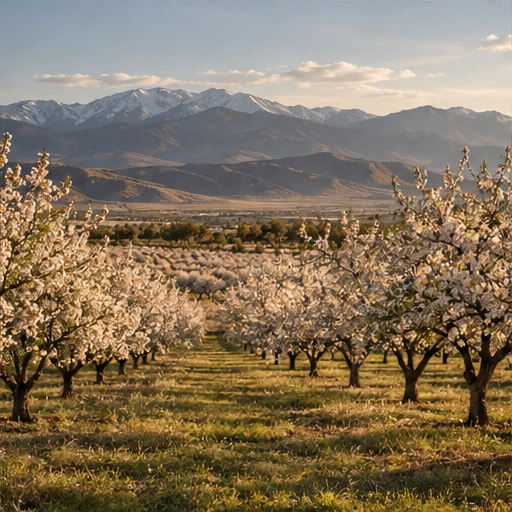
Begin with the palest or most delicate jar and move toward deeper or more aromatic honey. A practical order is orchard-style honey first, high-country floral honey second, then desert and border-region jars. Actual harvests vary, so taste the current jars before deciding the final order.
Serve only a small amount at first. Honey is concentrated, and a modest taste makes comparison easier than a large spoonful. Guests can return to favorites after the full flight.
03 · NOTICE, DON’T SCORE
Smell, taste, pause, and compare.
Look at the color and texture, then smell the honey before tasting. Let a small amount rest on the tongue and notice the first impression, middle, and finish. Words such as bright, floral, herbal, warm, fruity, earthy, or rounded can be useful, but there is no required answer.
Natural differences do not make one region universally better. Honey is an agricultural food, and even the same landscape can produce a different expression as rainfall, bloom timing, temperature, and forage change. Read how seasonal flowers shape honey and why color varies.
04 · ADD FOOD AFTERWARD
Pair only after tasting each honey alone.
Once everyone has sampled the jars on their own, bring in mild foods: apple or pear slices, plain yogurt, biscuits, soft cheese, nuts, or a simple bread. Strong spices and heavily flavored crackers can hide the differences you are trying to notice.
For a more savory finish, compare how two honeys behave with cheese or in a simple mustard dressing. Our honey pairing guide and cooking-with-honey guide offer more ideas.
“O taste and see that the LORD is good: blessed is the man that trusteth in him.”Psalm 34:8 · KJV